
Buying a Bike: Assessing your Needs & Options
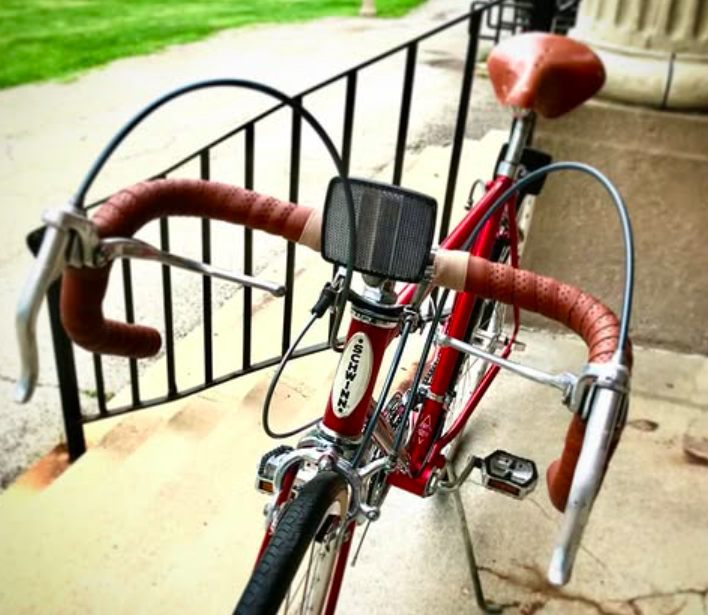
Bicycles are remarkably durable machines. If you already own one, you may be wondering whether it truly makes sense to invest in a new bike — or whether your current one still has plenty of life left.
These are conversations we have with customers every day. It’s not unusual to see bikes from the 1970s still in everyday use. With just a bit of care and maintenance, a well-built bicycle can remain rideable for decades — which is one of the reasons we see bikes not simply as products, but as true freedom machines.
There is absolutely nothing wrong with tuning up and continuing to ride an older bike.
But before deciding, it’s important to consider three key factors:
how well the bike fits you
how you intend to use it
what level of investment makes sense for your budget
Should You Repair Your Old Bike or Buy a New One?
When Repairing or Restoring an Older Bike Makes Sense
Many riders discover that repair decisions are easier when working with knowledgeable staff at a trusted local shop. Restoring an older bicycle can be deeply satisfying — and often worthwhile — provided the foundation is sound.
The frame, fork, and wheels should be structurally healthy and from a reputable manufacturer. Many vintage Schwinn and Raleigh three-speeds, classic Japanese or Taiwanese road bikes, and early mountain bikes can still serve riders very well today. A qualified mechanic should inspect the frame carefully before significant repair work begins.
Fit is equally important. A beautiful inherited bike that was built for someone several inches taller or shorter may hold sentimental value, but it will never feel truly comfortable. Likewise, a vintage ten-speed may not be the best choice if your current goal is transporting a child or running daily errands.
In some cases, thoughtful modifications can make an older bike far more usable. Changing handlebars for a more upright position, selecting a more supportive saddle, or upgrading key components can dramatically improve comfort and confidence.
However, expectations should remain realistic. A thorough tune-up can make an older bike feel wonderful again — but it cannot transform it into something fundamentally different.
It’s also worth noting that restoration is not always the cheaper option. Depending on the starting condition, bringing an older bike back to peak performance can cost as much as, or more than, purchasing a solid new bicycle.
One upgrade that can be particularly transformative is replacing outdated wheels with modern alloy wheelsets. This can improve ride quality, durability, and access to better tire options — often one of the most meaningful improvements you can make to an older bike.
When It May Be Time for a New Bicycle
A new bike may be the better choice if your current one no longer fits your body, your lifestyle, or your riding ambitions.
Many people discover that a bike which once worked well — perhaps in high school or during a different phase of life — no longer supports how they want to ride today. A mountain bike can feel slow and inefficient on a long commute. A casual cruiser may struggle to keep pace with fitness-focused riding partners.
Department-store bikes in particular are rarely good candidates for major repair investment. While they can serve short-term needs, complex repairs often exceed their long-term value. In these cases, repair funds are often better used as seed money toward a higher-quality bicycle.
Similarly, a bike suffering from widespread component failure or serious frame damage — such as cracks, deep corrosion, bent tubing, or seized parts — is usually ready for retirement unless it holds exceptional sentimental or collector value.
A thoughtfully chosen new bicycle offers reliability from day one, along with the reassurance of proper assembly and ongoing support.
When the Real Issue Is the Type of Bike
Sometimes the challenge is not the condition of your current bicycle — but the fact that conventional bike designs do not serve every rider equally well.
Many people assume that bicycles fall into a few familiar categories: road bikes, mountain bikes, and perhaps casual comfort cruisers. Yet these designs were often developed with relatively narrow assumptions about rider flexibility, balance, strength, or intended use.
Alternative bicycles can open new possibilities. Folding bikes can make daily mobility practical for riders who must navigate stairs, limited storage, or public transit. Cargo bikes allow families to transport children or groceries safely and comfortably without relying on a car. Recumbent trikes can provide a stable, supportive riding position for those dealing with back, neck, wrist, or balance challenges.
For riders who feel that traditional bikes never quite worked for them — or who are returning to cycling after an injury, a life transition, or simply the passage of time — exploring these alternatives can be transformative. The right type of bicycle can turn riding from a struggle into a pleasure, and from an occasional activity into a reliable part of everyday life.
Consider How You Will Use Your Bike
Before choosing a new bike — or deciding how much to invest in an old one — it helps to picture how the bicycle will actually fit into your daily life.
Will it serve as an urban transportation tool, a weekend fitness companion, or an adventure bike for longer trips? If it must cover several roles, versatility becomes important.
Consider the surfaces you expect to ride. Pavement-only riding calls for different tires and geometry than mixed-terrain exploration. Riders who frequently carry children, groceries, or work equipment may benefit from step-through frames, cargo capacity, or integrated accessories.
Weather and clothing choices also matter. Internal gear hubs, fenders, and chainguards can make riding far more practical for everyday use. Storage constraints — such as small apartments or stair access — may make folding bikes particularly appealing.
These practical considerations often determine whether a bike becomes a trusted daily companion or an underused possession.
Make the Bike Your Own
Ultimately, what defines a bicycle is not what it is, but how it is used.
Well-loved bikes rarely look pristine, and they develop a unique character over time. They gain fenders, racks and carriers: panniers, milk crates, even plastic wastepaper bins—adaptations that reflect a rider who has discovered the freedom and utility a bicycle can provide.
It is rare that someone who rides more than occasionally is perfectly happy with the bike exactly as it came out of the factory. Lifestyle riders frequently change tires, saddles, handlebars, stems, pedals —you name it— as part of the process to gain not just more comfort and utility, but real joy from their bike.
Comfort and Fit: The Final Piece of the Puzzle
Achieving a good fit involves more than matching height to frame size. Flexibility, strength, riding goals, and personal preference all influence how a bicycle should be set up.
Even premium custom bicycles involve tradeoffs between comfort and performance, stability and speed, efficiency and visibility. With stock bicycles available in most shops, these compromises can be even more pronounced.
Manufacturers typically design frame sizes around generalized assumptions about rider proportions. In reality, most people fall outside these “average” models in one way or another. This is why thoughtful adjustments — to saddle position, handlebar reach, or riding posture — are often essential.
Before focusing too narrowly on fit details, it is helpful to step back and clarify your overall purpose for riding. Long-distance touring places a premium on stability and comfort. Competitive riding may prioritize efficiency and aerodynamics. Fitness riders, commuters, and recreational explorers all have different needs.
Understanding these goals makes it much easier to choose — or adapt— a bicycle that will truly support your life.