
What We Mean When We Say “Freedom Machine”
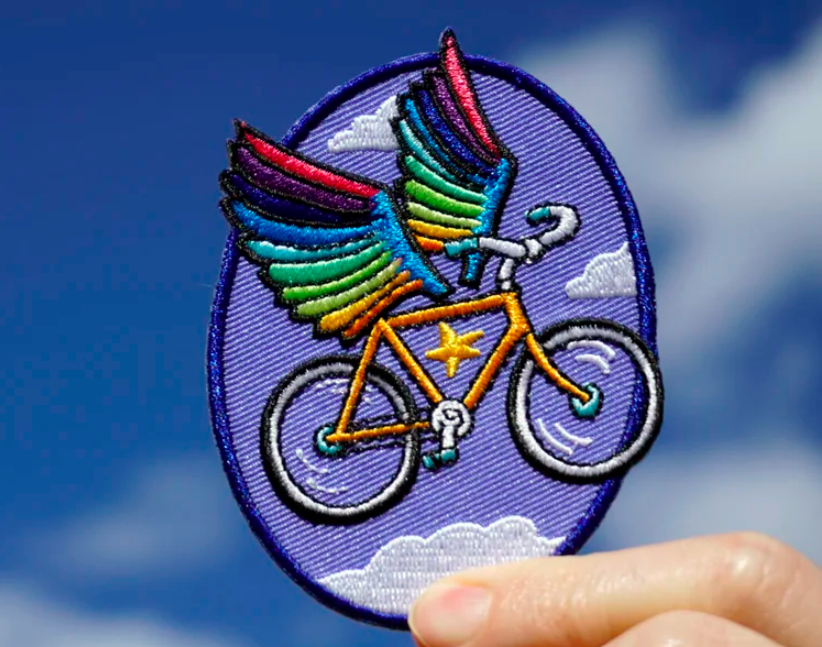
We are made to move.
We live in a world that wants to make it optional.
Over the years, I’ve watched thousands of people walk into our shop with the same audacious question. Sometimes the question is practical. Sometimes emotional. Sometimes it’s posed out loud —and sometimes it hangs in the air unspoken:
Could this change my life?
Like the rider who came to us after a traumatic spinal cord injury had left him with limited use of his legs. Walking was difficult. Falling was his biggest fear. Trying a recumbent was his last hope, and his heart was set on it .
“I can pedal where I wouldn’t be able to walk,” he later wrote us. “Falling has been virtually eliminated. I was determined to ride again —and this is the only bike I can ride.”
Early in my career, I wasn’t always sure stories like his would have happy endings. I’ve never lived with physical disability myself, and breezed through life in a body that rarely failed me. So it took time —and many seasons of watching people defy expectations— to understand the power of the tool we were promoting.
Yes, the right bicycle really can change a life.
Our industry as a whole done a miserable job of telling a clear, cohesive story about why bikes matter. A sentence or two in, most industry conversations get hijacked by brands, spec’s, performance metrics, gear obsession and tribes.
Yet, we literally change lives every day. There are virtual miracles happening at the ground level —inside real bike shops, on social rides rides, in co-ops, workshops and even trail parking lots— we’re welcoming new riders who are curious but concerned, and riders returning to movement after almost giving up. We’re helping each other ride farther than we thought possible. We’re building community, fostering confidence, self-reliance, and joy. We’re bringing back movement.
We do this through one of the most amazing tools ever invented:
The Freedom Machine
From its inception that is what the bicycle has been. And that freedom was and is for anyone, not based on how many times they’ve been around the Sun, the size of their thigh muscles, their tolerance for muddy gravel roads, or their ability to stomach energy gel pacs.
A bicycle is not just an object, a commodity with a price tag attached, a physical assembly of components manufactured somewhere far away, shipped across the ocean, put together and tuned at your local shop. Or not even just a supremely efficient tool to get you from point A to point B. Or a breathtaking recreational vehicle.
It’s a freakin’ magic carpet!
It literally expands what’s possible for a person. For a child, it’s the first taste of independence. For a family, shared experience. For a commuter, time reclaimed. For an aging adult, it can be prolonged health, autonomy and dignity. And for someone with mobility limitations, it can be the difference between moving, being out in the world, or —not.
Few things compare to the freedom of moving. Through your neighborhood—or your world—on your own power.
Bikes fire up the imagination: that vision of yourself doing something different, tearing free —in bigger or smaller ways— from the shackles that hold you back, maybe even something others told you couldn’t be done. Far beyond the object itself, it can launch you on a quest to become whatever you want to be: an explorer, unencumbered, capable, a free soul, an independent traveler!
Tell me that’s not magic?
This is Real
People we talk with every day — some of whom may even be reading this — come to us with vulnerability. With uncertainty. With stories about aging parents, their own mobility limitations, health scares, or kids who are ready for independence but not quite ready for traffic. With lifestyle and work patterns that keep them feeling confined indoors or tethered to a desk.
And what happens next rarely looks dramatic from the outside. It unfolds slowly — across conversations at the workbench, tentative test rides around the park, small adjustments made over months or years. Much of what we do doesn’t photograph well on Instagram. But it matters.
These are not transactions. They’re turning points.
Because when someone chooses the right bike — one that truly fits their body, their life, and their hopes — something begins to compound.
Not resale value.
Life value.
That’s the honest part of what we do. Selling a bicycle — when done with care and integrity — doesn’t extract value from those human moments. It supports them. Because what we’re offering isn’t just an object. It’s a key to one of the things that makes us free: movement.
We believe the bicycle is one of the most virtuous machines ever created. Simple. Efficient. Supremely generous in what it gives back. The perfect tool for getting places, getting away, and getting lost.
And sometimes for finding yourself.
Wait a minute!
What do you mean by “Freedom Machine”?
We mean a bike that helps you get around more easily and confidently—on your own power, on your own schedule, and in your own way.
Is this just marketing language?
No. It’s how we think about bikes in real life. A good bike doesn’t just sit in the garage. It gets used because it actually fits you and your needs.
Do I have to be a serious cyclist?
As serious or as footloose as you want to be! Most of the people we work with aren’t Cyclists with a capital C. They just want a practical, enjoyable way to move—without pressure, metrics, or discomfort.
What kind of freedom are we talking about?
Simple things: leaving the car at home, running errands, riding with your kids, exploring your neighborhood, regional forays or staying mobile as your body changes.
Why do you focus so much on fit and setup?
Because the wrong bike—or a poorly built one—can turn riding into a chore. The right bike makes it feel natural.
Is this only for “able-bodied” riders?
No. We specialize in bikes that work for more bodies and more situations, including recumbents, cargo bikes, folding bikes, and e-assist options.
What’s with the big words, tho?
It’s the truth: a well chosen bike is one of the simplest tools for staying independent, active, and connected to the world.
In our book, that’s a Freedom Machine.